

Japan’s Generation Alpha: The Tiny Digital Age Group That Could Reshape Japan’s Future
Raised on AI, short-form video, sustainability, and shrinking demographics, Japan’s Gen Alpha may become one of the country's smallest generations — yet also one of its most influential.


TL;DR
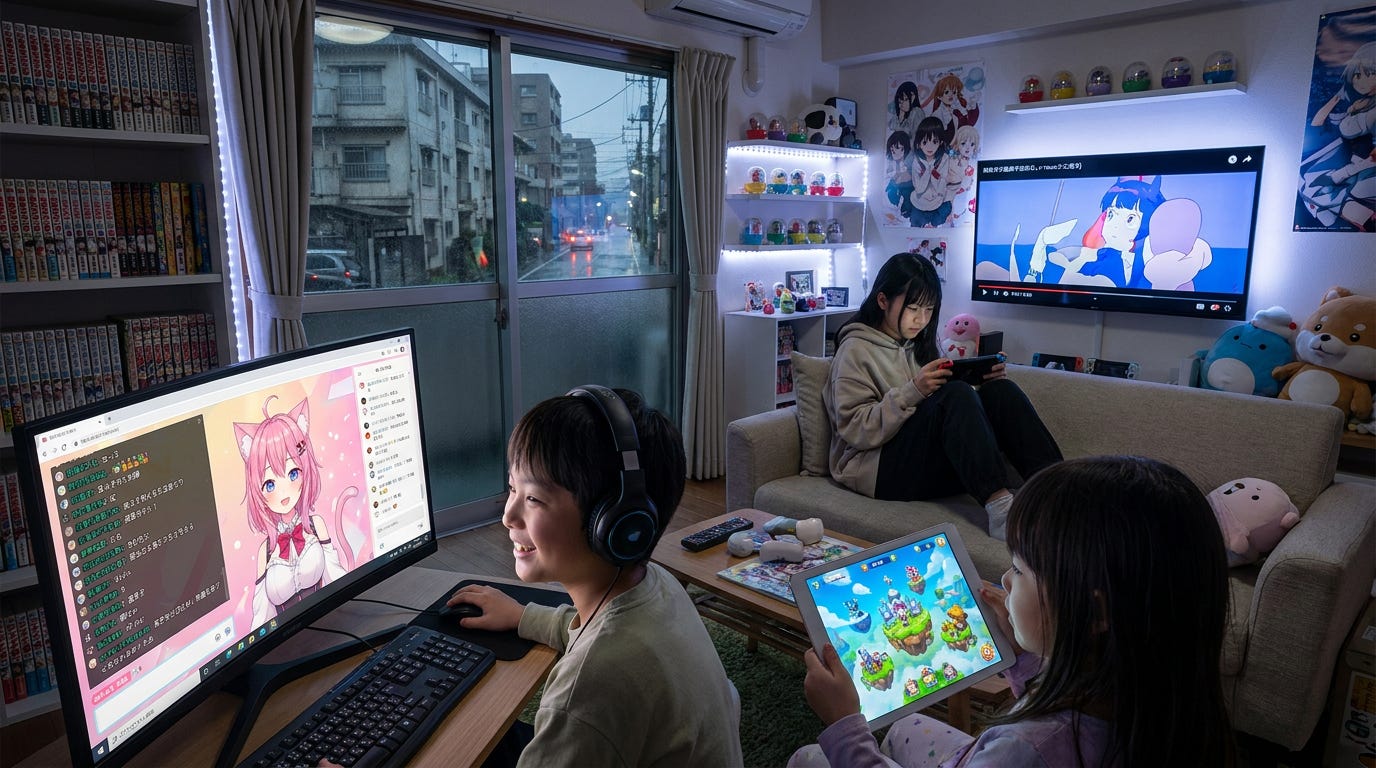
Japan’s Generation Alpha, which is known as Arufa Sedai (α世代) in Japanese, is emerging as a hyper-digital, AI-native cohort growing up inside one of the world’s fastest-aging societies.
Even though this generation is small in number (in Japan), each child may be disproportionately valuable to Japan’s future economy, labor market, and consumer ecosystem.
Watch how Japan adapts education, workplaces, marketing, and family life around AI-native children who prioritize personalization, sustainability, and time efficiency.
What’s new
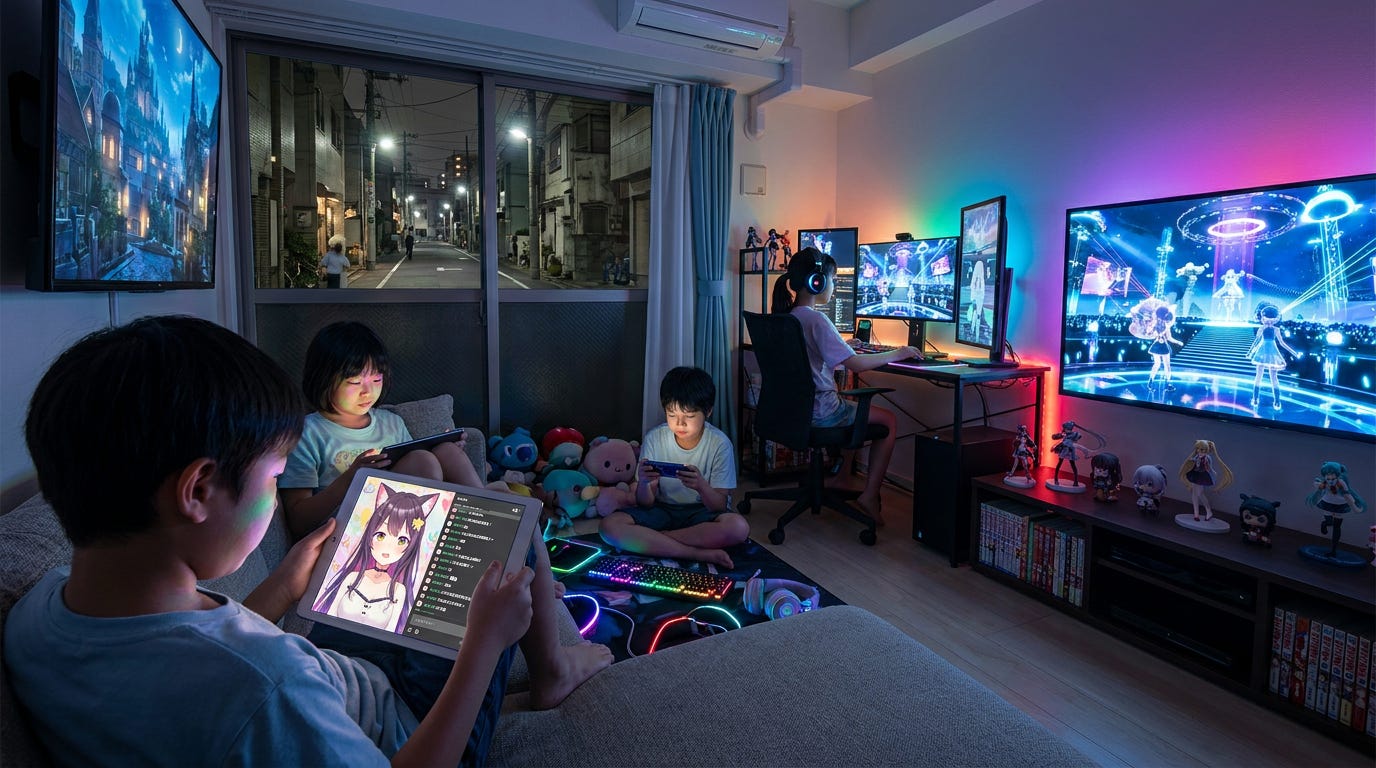
Japan’s Gen Alpha — children born between approximately 2010 and the mid-2020s — is the country’s first true AI-native generation. Unlike Gen Z, who grew up during the smartphone revolution, Gen Alpha was born into a world where tablets, algorithms, voice assistants, short-form video, and personalized digital experiences existed by default.
The twist? This generation is entering adulthood at a time when Japan is facing accelerating population decline, labor shortages, and rapid societal aging.
Why it matters
Japan’s Gen Alpha may be small in number, but each child carries outsized economic significance in a country with fewer young people every year.
These children are already influencing household spending, educational models, entertainment ecosystems, workplace design, and corporate marketing strategies, even before entering adulthood.
Catch up quick
Gen Z in Japan grew up alongside smartphones and social media. Gen Alpha, by contrast, grew up after the iPhone era had matured.
That distinction matters. Gen Z learned digitalization. Gen Alpha assumes it. AI, algorithmic recommendations, tablets in schools, VTubers, voice search, and hybrid virtual worlds are simply part of their background.
By the numbers
Japan’s Gen Alpha generally refers to children born between 2010 and 2024. Japan’s total population under age 15 in 2024 was approximately 13.83 million.
That means Gen Alpha represents only about 11–12% of the population.
By comparison, the United States’ Gen Alpha cohort is dramatically larger both in absolute size and relative demographic weight.
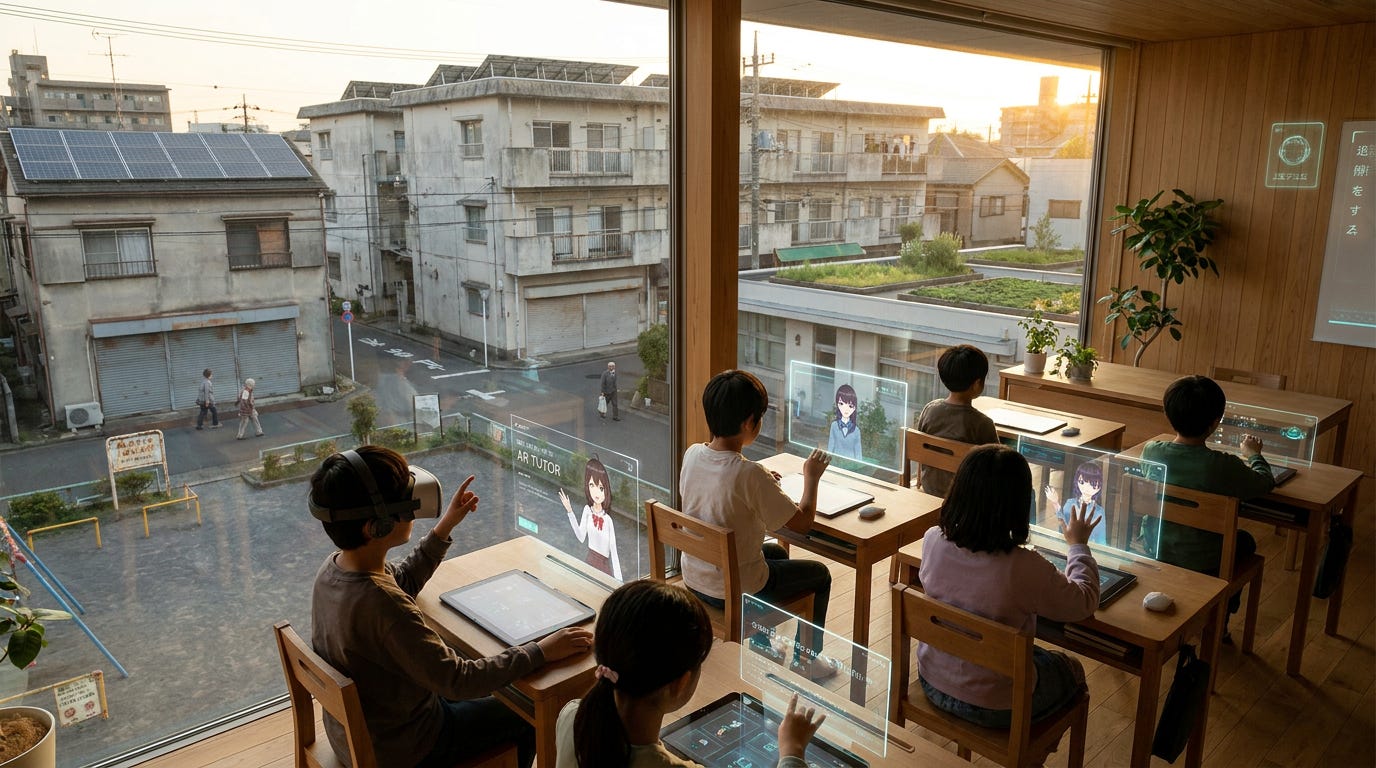
More than 98% of Japanese elementary and junior high schools were equipped with one device per student under the GIGA School Initiative1. Over 90% of Japanese public elementary and junior high schools now use digital learning infrastructure in the classroom.
In one Japanese survey, 91.9% of Gen Alpha children said they “like themselves,” reflecting unusually high self-esteem.
Roughly 74.2% of surveyed Gen Alpha children reported saving their New Year’s gift money rather than spending it.
Zoom in
Japan’s Gen Alpha is growing up in a society with unique contradictions.
On the one hand, they are growing up in one of the world’s most technologically integrated societies. AI-assisted education, coding classes, metaverse learning experiments, VTuber entertainment, and smartphone-based studying have become normalized, even among elementary school students.
On the other hand, they are growing up in an environment marked by school closures, labor shortages, aging infrastructure, and declining rural populations.
Between the lines
Japan’s shrinking youth population may amplify Gen Alpha’s influence rather than reduce it.
In the United States, Gen Alpha is expected to become the largest generational cohort in history. In Japan, the opposite is true. Each child therefore becomes more valuable economically, politically, and commercially.
This shift is already changing how companies think about education, toys, entertainment, retail, and even workplace design.
Context
Several Japan-specific trends stand out:
AI-powered educational apps are increasingly targeting preschool-aged children.
Virtual YouTubers (VTubers) and anime-inspired virtual worlds are becoming mainstream forms of entertainment for younger audiences.
Sustainability-focused “family SDGs” marketing campaigns increasingly target both children and parents simultaneously.
Schools are experimenting with hybrid classrooms, immersive remote learning, and metaverse-enabled communication environments.
Friction point
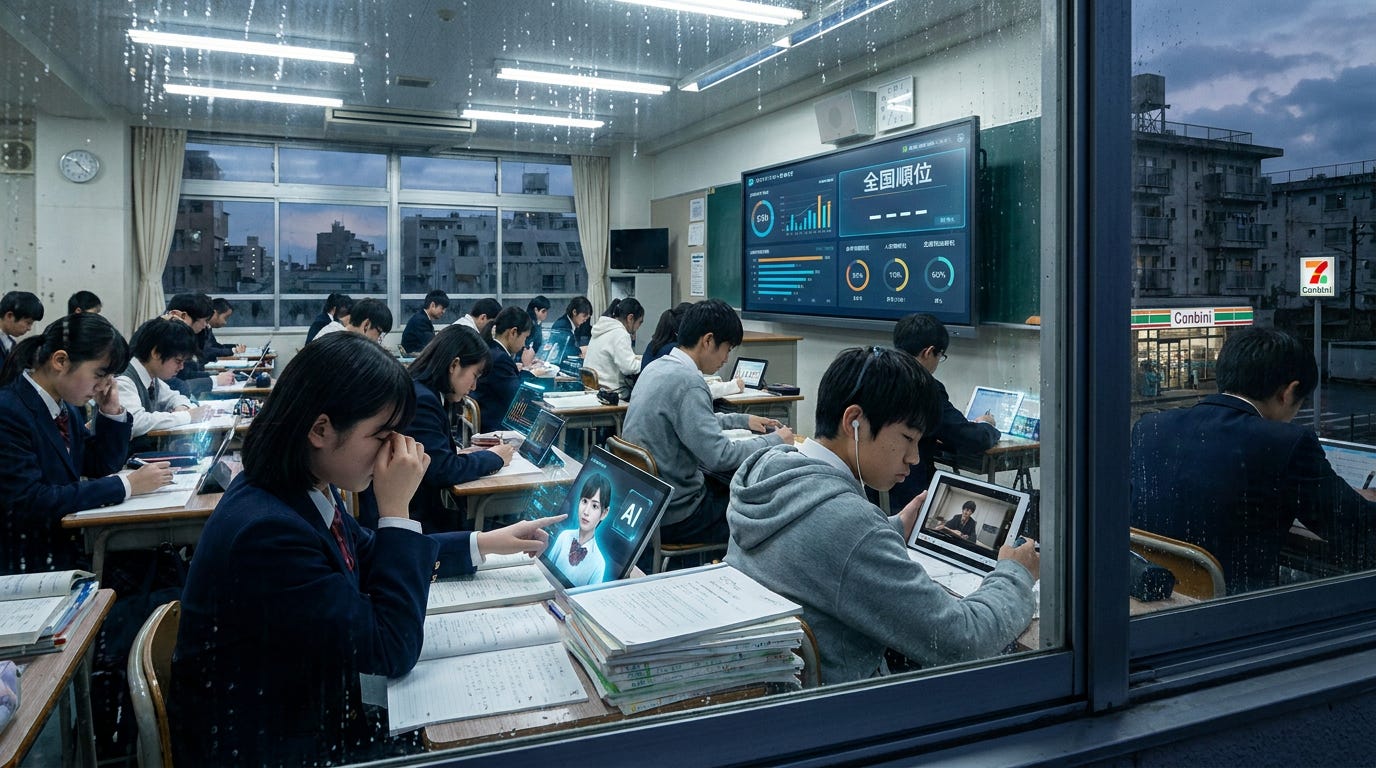
Japan’s educational culture remains heavily test-oriented even as schools transition to more personalized, AI-supported learning models.
This creates tension.
Educators increasingly want students to develop creativity, independent thinking, and problem-solving skills. Yet, Japan’s broader academic system still rewards memorization, standardized performance, and optimization for entrance exams.
Reality check
Despite concerns about AI dependency, there is currently little evidence that Japan’s Gen Alpha is experiencing widespread academic decline due to AI tools.
For now, the fears remain largely speculative.
Japan’s culture of rigorous schooling, cram schools (juku・塾), and structured educational expectations still exerts an enormous influence on student outcomes. A bigger concern among educators is whether long-term overreliance on AI could eventually weaken critical thinking and independent problem-solving skills.
Follow the money
Japanese companies are already repositioning themselves around Gen Alpha consumption patterns.
Marketers increasingly target both children and their Millennial parents simultaneously, especially in categories tied to:
Educational technology
Sustainability
Gaming
Anime and character ecosystems
Experiential learning
Digital subscriptions
Creator culture
Personalized entertainment
The emerging assumption is that Gen Alpha consumers will prioritize convenience, personalization, sustainability, and experience-driven consumption over traditional material ownership.
Meanwhile
Japan’s workplaces are quietly preparing for Gen Alpha long before they enter the labor force.
Universities and companies are increasingly redesigning physical environments around:
Hybrid work
Collaborative learning
Digital-first communication
Flexible workspaces
DEI-oriented culture
Project-based problem solving
AI integration
Many Japanese office designers now explicitly reference educational reforms and the GIGA School Initiative when discussing the future workforce.
Commentary
Japan’s Gen Alpha may ultimately become one of the country’s most “protected” generations in modern history — not in the traditional sense of economic abundance, but rather through concentrated attention.
Fewer children means greater parental investment per child, more educational personalization, more targeted marketing, and potentially more institutional pressure to maximize each individual’s productivity and success.
In effect, demographic collapse may unintentionally create a society where children are premium assets.
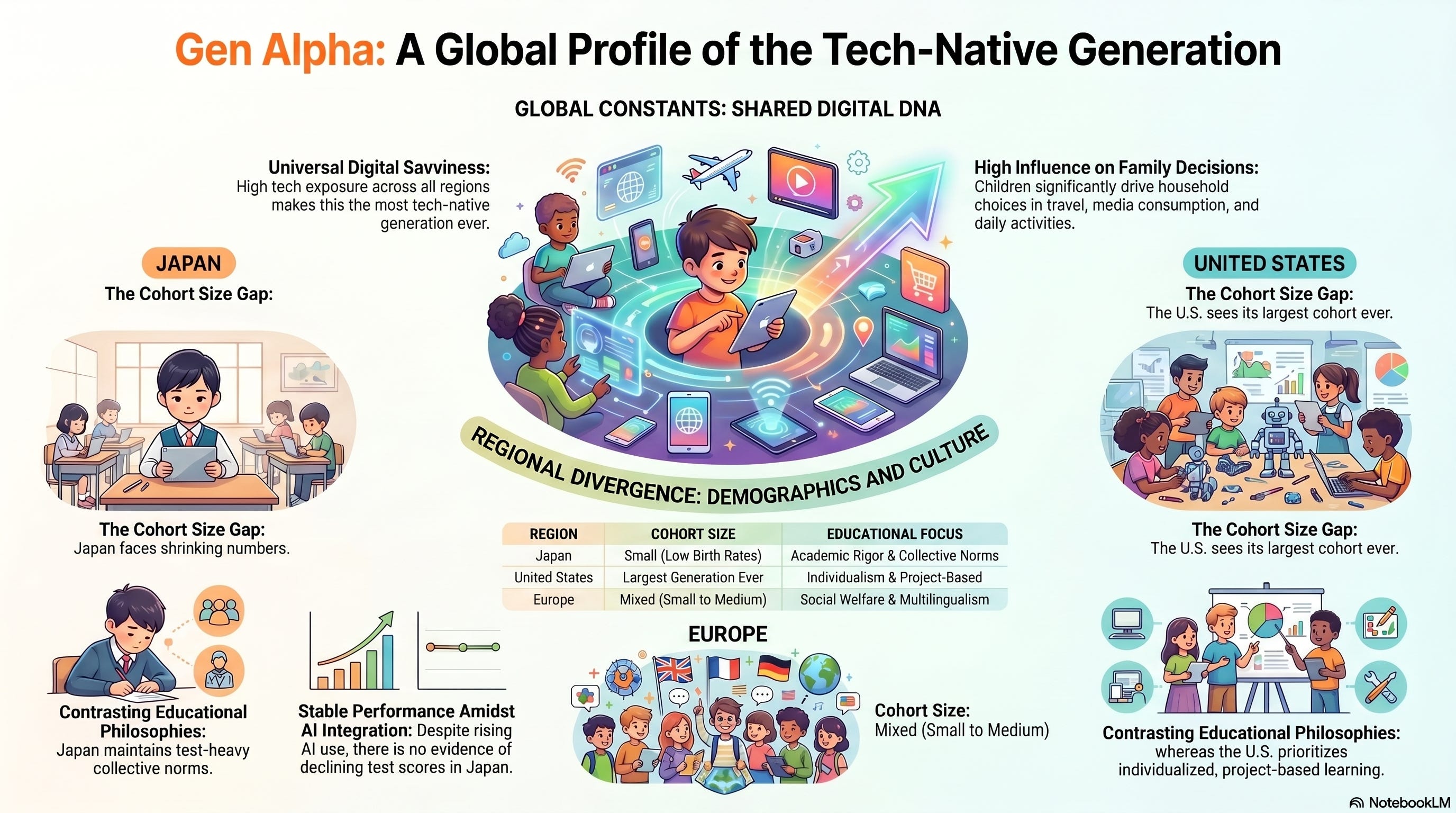
Also, Japan’s Gen Alpha shares many similarities with Gen Alpha in the U.S. and Europe. They are AI-native, video-first, and sustainability-aware. They are also becoming increasingly influential in household spending decisions. However, Japan’s Gen Alpha is emerging under very different demographic conditions. While the global Gen Alpha population is projected to exceed two billion, and the U.S. cohort may become the largest generation in American history, Japan’s population of children under 15 is only approximately 13.8 million — just about 11% of the total population.
The big picture
Gen Alpha is arriving at a pivotal moment for Japan.
The country is simultaneously confronting demographic decline, labor shortages, AI disruption, educational reform, digital transformation, sustainability pressures, and changing social norms.
This generation will not merely inherit those systems. They will likely force Japan to redesign many of them from the ground up.
In short, Japan’s Gen Alpha is small, hyper-digital, sustainability-aware, and deeply shaped by AI from childhood onward.
They may also become one of the most economically influential youth cohorts Japan has ever produced — precisely because there are so few of them.
What do you think?
Especially if you’re a member of Japan’s Gen Alpha, please tell me if any of this resonates with you or if you think it’s totally off base. Don’t worry. My two sons, who are part of Gen Z, routinely dismiss my advice and tell me, “Okay, Boomer,” even though I’m actually a Gen Xer. I like to remind them of that distinction.
Don’t hold back! Tell me what you really think in the comments.
Comments are welcome from every generation, of course.
Links to Japanese Sources: https://regene.org/p/1295, https://www.trans.co.jp/oshiken/column/generation_alpha/, https://www.all-different.co.jp/column_report/column/alpha_generation/hrd_column_296.html, https://www.softbank.jp/sbnews/entry/20240216_02, and https://alpha-gen-lab.com/posts/qggDbFrp.
#GenerationAlpha #GenAlpha #JapanBusiness #Demographics #FutureOfWork #ArtificialIntelligence #EdTech #DigitalTransformation #Sustainability #GIGASchoolInitiative #ConsumerTrends #Marketing #FutureWorkforce #JapanEconomy #Education #AI #VTubers #TechCulture #WorkplaceInnovation #α世代 #アルファ世代 #少子化 #人口減少 #教育改革 #デジタルネイティブ #サステナビリティ #未来の働き方 #日本経済 #GIGAスクール構想 #日本社会 #働き方改革 #テクノロジー #RealGaijin #リアル外人
Please note that you can subscribe to Real Gaijin for free. If you are so inclined, you can also purchase an annual subscription for a relatively small fee.
However, I understand that even the lowest level of annual subscription allowed by Substack may seem too high for many. If you just want to buy a coffee for Real Gaijin (or maybe a green tea), you can also make a small donation here:

https://buymeacoffee.com/realgaijin
All levels of support - including just liking a particular article and/or leaving a comment - are very welcome. Thanks again for reading.
While Real Gaijin lives in Substack, you can also find Real Gaijin on a few other platforms (listed in alphabetical order).

https://www.instagram.com/real_gaijin_on_substack/

https://www.threads.net/@real_gaijin_on_substack

https://www.tiktok.com/@real.gaijin


https://www.youtube.com/@RealGaijin

https://www.linkedin.com/in/mark-wilt-kennedy/
Japan’s GIGA School Initiative (GIGA スクール 構想), launched by the Ministry of Education in 2019, was a nationwide effort to modernize classrooms by providing every elementary and junior high school student with a digital device and high-speed internet access. The program was accelerated during the pandemic and resulted in over 98% of schools adopting one-device-per-student environments by 2021. This normalized tablets, cloud learning, AI-assisted educational tools, digital homework, and hybrid learning for Japan’s Generation Alpha. The broader goal was to shift toward a more personalized, technology-driven educational system. However, critics note that Japan’s school system remains heavily focused on exams, memorization, and cram school culture, despite the new digital infrastructure.
Teaching English to Gen Z in Japan, I found a school where the computer lab had been dismantled and the only surviving machine was an ancient education-only Mac from the late 90s — the kids had Windows laptops they couldn’t use and QWERTY keyboards they’d never learned. Give them my iPhone or iPad, though, and they were completely at ease in English, and they were already running rings round me with early AI translation tools. Gen Alpha growing up in that same system but with the GIGA School infrastructure behind them is a fascinating prospect — though I’d wager their instincts will still outpace whatever the classroom provides.
LOL! My Gen Z kids sometimes refer to me as a Boomer too even though I am part of the Gen X cohort! There goes the "Forgotten Generation". While Gen Alpha may be immersed in AI technology, there will be higher expectations placed on this generation that is smaller in size compared to others, to support Japan's aging population and burgeoning national debt. Hopefully, AI and supporting technologies like robotic automatons will help increase the future productivity of Gen Alpha and others.